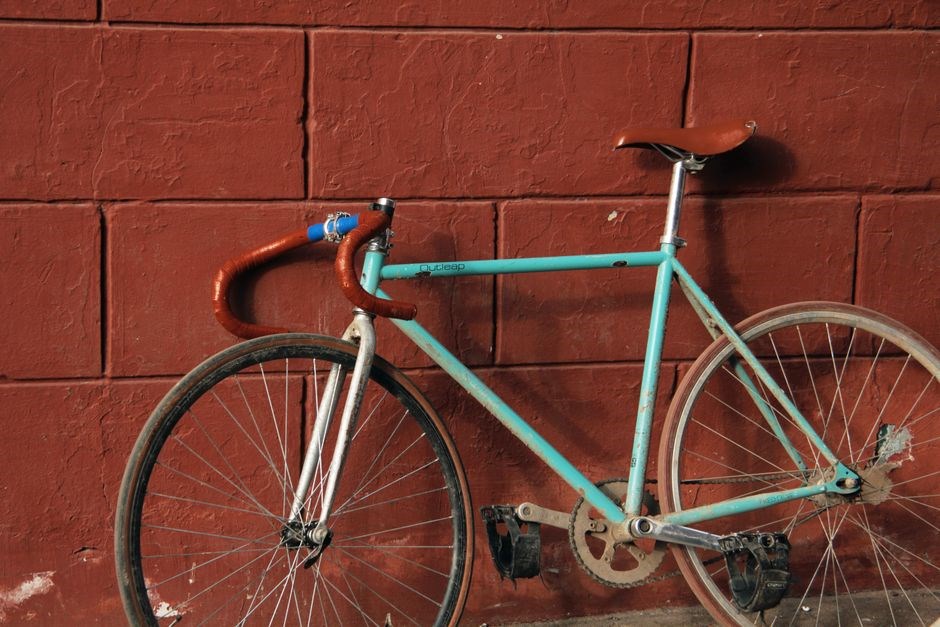
Bianchi Bike Size Guide Overview
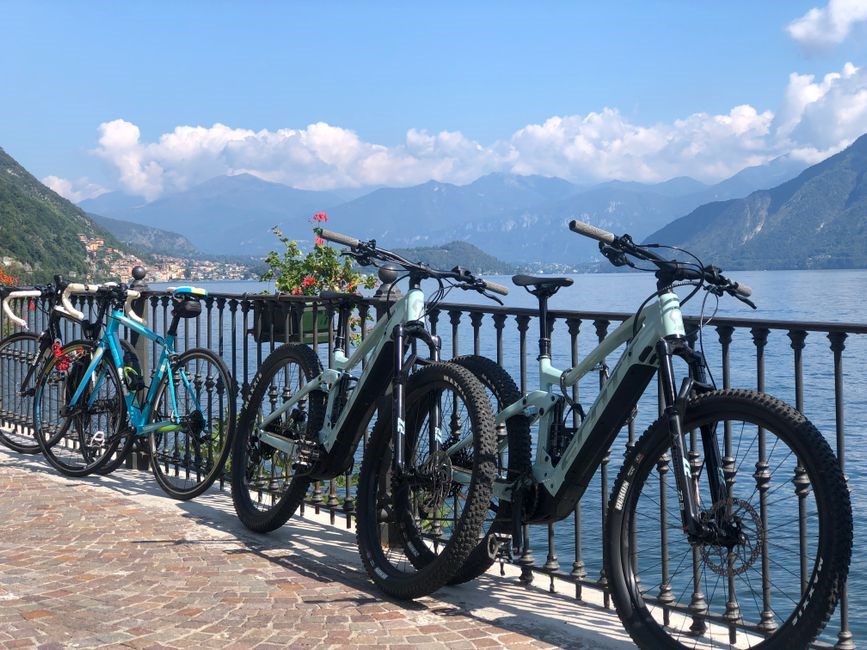
Discover how Bianchi’s sizing system balances frame geometry‚ rider height‚ and inseam to deliver optimal fit. This guide outlines key metrics‚ offers quick reference tables‚ and explains how to translate measurements into the perfect road‚ gravel‚ or mountain model. It highlights geometry nuances for comfort. now
Purpose and Scope
Our Bianchi bike size guide is designed to assist riders of all levels in selecting a frame that aligns with their body proportions and riding intentions. By integrating precise height and inseam measurements with Bianchi’s proprietary geometry data‚ the guide offers a clear‚ step‑by‑step method to determine the most suitable frame size across the brand’s diverse lineup. It covers the entire range of road‚ gravel‚ and mountain models‚ ensuring that every cyclist—from casual commuters to competitive racers—can find a frame that delivers optimal comfort‚ handling‚ and performance. The guide also outlines how to interpret the size charts‚ explains the significance of key reference points such as top tube length and seat tube angle‚ and provides practical tips for fine‑tuning fit after the initial selection. Whether you are a seasoned rider looking to upgrade or a newcomer exploring Bianchi’s heritage‚ this resource serves as a comprehensive reference to make informed sizing decisions.
The guide includes a concise conversion table for metric to imperial units‚ ensuring worldwide accessibility. It emphasizes accounting for individual body proportions such as torso length and arm reach‚ which affect optimal top tube length and handlebar height. Illustrative diagrams demonstrate how frame geometry relates to rider ergonomics. Finally‚ it reminds riders that while charts provide a reliable starting point‚ a test ride and fine‑tuning of saddle height‚ handlebar tilt‚ and stem length are essential.!!
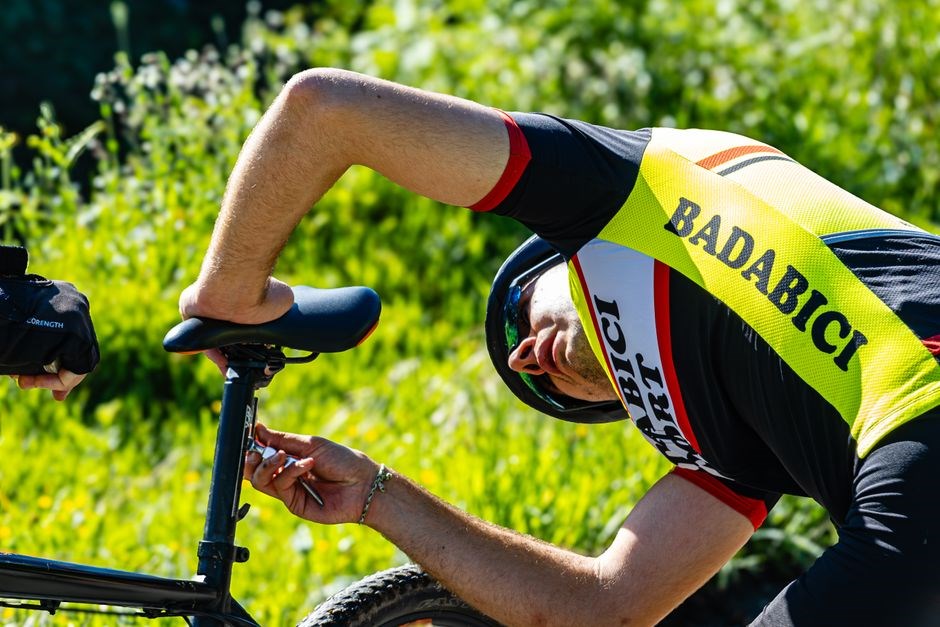
Bianchi Geometry Basics
Bianchi frames feature flat top tube‚ sloping seat tube‚ and lightweight construction. Dimensions influence reach‚ comfort‚ power transfer‚ making geometry key. This guide starts with your height and inseam to find the right size. Measure‚ adjust for comfort today! Ride well now
Key Frame Dimensions Explained
Bianchi’s geometry relies on precise measurements that dictate fit and performance. The most critical dimensions are:
- Top Tube (TT) – the horizontal span from seat to head tube; a longer TT increases reach‚ while a shorter TT shortens the reach for a more compact feel.
- Seat Tube Angle (STA) – the angle between the seat tube and the ground; steeper angles shift the rider forward‚ improving power transfer‚ whereas gentler angles provide a more relaxed position.
- Chainstay Length (CSL) – the distance from the bottom bracket to the rear axle; longer chainstays enhance stability‚ especially on gravel‚ while shorter chainstays improve handling on climbs.
- Head Tube Angle (HTA) – the angle of the steering tube; a steeper HTA gives quick steering‚ whereas a slacker HTA offers a steadier ride on rough terrain.
- Wheelbase (WB) – the total distance between front and rear wheels; a longer WB increases straight‑line stability‚ while a shorter WB boosts agility.
Bianchi’s geometry blends with performance. Precise angles and lengths give a balanced feel‚ letting riders maintain power while staying relaxed. Seat height‚ handlebar reach‚ and length tailors the fit for comfort and efficiency on terrain.!!!
Understanding these metrics lets you match a model to your body and riding style‚ ensuring the frame’s geometry supports comfort‚ power‚ and control.

Personal Measurements
Measure height standing‚ inseam in shoes‚ torso length‚ arm reach. Use a tape measure on a flat wall for height. For inseam‚ stand barefoot‚ measure from crotch to floor. These metrics align with Bianchi’s sizing tables for accurate fit. Fine‑tune seat height‚ handlebar reach‚ and stem length for optimal comfort and power. Keep testing. 2026!!
Height and Inseam Measurement Methods
To find the correct Bianchi frame‚ start with a precise height measurement. Stand upright against a flat wall‚ shoes removed‚ and place a book or a flat object on your head to ensure a true vertical line. Mark the top of the book and the wall‚ then measure the distance from floor to the mark with a tape measure. This gives your standing height in centimeters or inches. Next‚ measure your inseam‚ the critical factor for frame sizing. Stand barefoot with feet slightly apart‚ knees relaxed. Place a ruler or a measuring tape between your crotch and the floor‚ ensuring the tape is snug but not compressing the thighs. Record the length in centimeters or inches. For consistency‚ repeat the measurement twice and use the average. These two numbers—height and inseam—feed directly into Bianchi’s size charts‚ which translate raw data into specific frame sizes for road‚ gravel‚ or mountain models. Always double‑check your measurements‚ especially if you have a non‑standard torso or leg length‚ as this can shift the ideal frame size by a half‑size or more. Accurate measurements are the foundation for a comfortable‚ efficient ride on any Bianchi bicycle.
Additionally‚ consider using a calibrated tape measure on a wall to avoid errors. For riders with a longer torso‚ adjust the seat tube angle slightly forward to maintain a neutral position. If your inseam is unusually short or long relative to your height‚ you may need to offset the top tube length by a few millimetres. Test the fit on a short ride now! OK
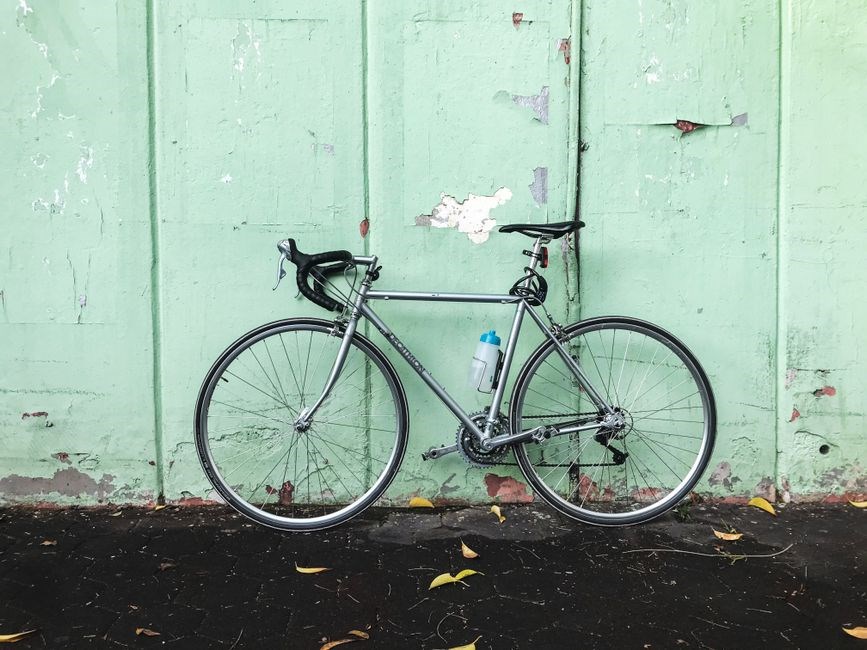
Road Model Size Charts
Use Bianchi’s official charts to match height and inseam to Oltre‚ Specialissima‚ Infinito‚ and Sprint sizes. Each model lists frame dimensions in centimeters‚ with conversion to inches. Cross‑check your measurements‚ then select the nearest size for optimal fit. Enjoy! OK
Oltre‚ Specialissima‚ Infinito‚ and Sprint Series Sizes
For riders whose height falls between the listed ranges‚consult the Bianchi sizing calculator or dealer for a recommendation. Remember frame geometry‚stack‚reach‚ and seat tube angle influence fit; a test ride confirms fit.
- Oltre–48 cm(170–175 cm height‚800–840 mm inseam)‚50 cm(175–180 cm‚840–880 mm)‚52 cm(180–185 cm‚880–920 mm)‚54 cm(185–190 cm‚920–960 mm)
- Specialissima–48 cm(170–175 cm height‚800–840 mm inseam)‚50 cm(175–180 cm‚840–880 mm)‚52 cm(180–185 cm‚880–920 mm)‚54 cm(185–190 cm‚920–960 mm)
- Infinito–48 cm(170–175 cm height‚800–840 mm inseam)‚50 cm(175–180 cm‚840–880 mm)‚52 cm(180–185 cm‚880–920 mm)‚54 cm(185–190 cm‚920–960 mm)
- Sprint–48 cm(170–175 cm height‚800–840 mm inseam)‚50 cm(175–180 cm‚840–880 mm)‚52 cm(180–185 cm‚880–920 mm)‚54 cm(185–190 cm‚920–960 mm)
Use these charts as a baseline; however‚ individual fit preferences may vary. If you prefer a more aggressive position‚ choose a size one step smaller; for a relaxed fit‚ go one step larger. Always test ride a bike before final purchase to ensure comfort and performance.
Gravel and Mountain Model Size Charts
Gravel and mountain models follow Bianchi’s standard sizing: 48 cm for 170–175 cm‚ 50 cm for 175–180 cm‚ 52 cm for 180–185 cm‚ 54 cm for 185–190 cm. Adjust by testing fit; smaller size for aggressive stance‚ larger for comfort.Frame sizes are in centimeters; choose based on inseam‚ and test for comfort.!!
Gravel and Mountain Series Sizes
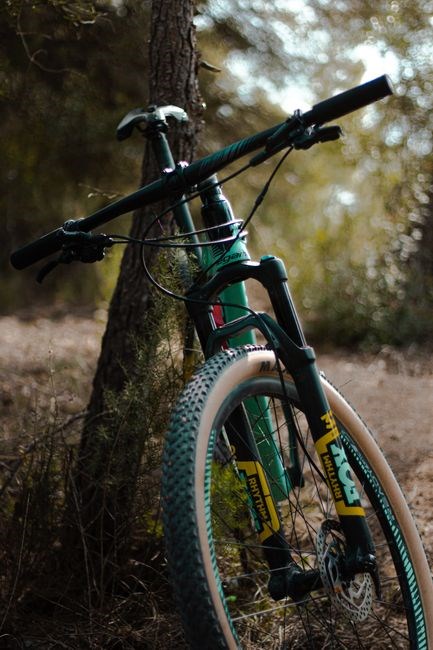
Gravel and mountain models use Bianchi’s standard metric sizing‚ expressed in centimeters from the bottom bracket to the top of the seat tube; Gravel series typically offer 48 cm‚ 50 cm‚ 52 cm‚ 54 cm‚ and 56 cm options‚ while mountain models extend to 58 cm for taller riders. Size selection hinges on both height and inseam: a 170–175 cm rider with an 80–82 cm inseam fits a 48 cm frame; 175–180 cm with 82–84 cm inseam matches 50 cm; 180–185 cm with 84–86 cm inseam aligns with 52 cm; 185–190 cm with 86–88 cm inseam fits 54 cm; 190–195 cm with 88–90 cm inseam suits 56 cm. Mountain geometry shifts to a more upright stance‚ longer travel‚ and higher standover clearance‚ but the height ranges remain consistent. Riders favoring a forward‑leaning position may choose a size one step smaller than the table suggests‚ whereas those prioritizing comfort may opt for a step larger. It is essential to test ride or consult a fitting professional‚ as seat tube angle‚ top tube length‚ and standover height influence the overall feel. Bianchi’s official site provides detailed geometry charts for each model‚ enabling comparison of key dimensions. By cross‑referencing these metrics with personal measurements‚ you can fine‑tune the fit to match your riding style and terrain. The listed sizes are approximate; real‑world fit is best confirmed through a hands‑on test or professional fitting. With these guidelines‚ you can confidently choose the right size for any trail or gravel adventure‚ ensuring a ride that feels like a natural extension of your body; For instance‚ a 48 cm gravel frame typically has a seat tube length of 530 mm‚ a head tube angle of 73°‚ and a top tube length of 420 mm‚ providing a balanced reach for aggressive riding. In contrast‚ a 56 cm mountain frame may feature a 540 mm seat tube‚ a 70° head tube angle‚ and a 440 mm top tube‚ offering a more relaxed geometry for long rides. These subtle differences affect reach‚ power transfer‚ and comfort. When selecting a size‚ consider your preferred handlebar width and stem length‚ as these also affect the overall reach and can be adjusted to fine‑tune the fit. Additionally‚ Bianchi offers a range of component options—such as integrated brakes‚ disc mounts‚ and dropper posts—that can influence the bike’s weight and handling characteristics. Choosing the right size is just the first step; customizing components can further enhance performance and comfort. Remember that a well‑fitted bike not only improves performance but also reduces the risk of injury‚ making every ride safer and more enjoyable. Enjoy the ride and feel the Italian engineering! Stay tuned.

Choosing the Right Model for Your Riding Style
Match your goals: road for speed‚ gravel for mixed terrain‚ mountain for off‑road. Check geometry‚ weight‚ and component fit. Test rides refine reach and comfort‚ ensuring the chosen Bianchi feels natural and powerful. Choose wisely for peak ride!!!
Road vs Gravel vs Mountain Considerations
Choosing the right Bianchi model hinges on matching geometry to your terrain. Road bikes feature steep head tubes‚ short chainstays‚ and aerodynamic frames that deliver high cadence efficiency over long‚ smooth surfaces. Gravel models keep road‑style geometry but add slack head tube angles‚ longer chainstays‚ and reinforced frames to absorb bumps while preserving speed. Mountain bikes shift to relaxed geometry: lower seat tube angle‚ longer wheelbase‚ and increased standover height‚ all designed for stability and control on technical descents. Weight distribution varies; road frames are lightweight and stiff‚ gravel frames balance lightness with durability‚ and mountain frames prioritize strength over mass. Component selection reflects priorities: road groupsets favor quick shifting and minimal weight‚ gravel groupsets add chain guards and wider tire clearance‚ mountain groupsets emphasize robust derailleurs and wide‑range gearing. Tire width and clearance differ too: road bikes run 23‑28 mm‚ gravel 35‑45 mm‚ mountain 2.0‑2.7 in. Finally‚ rider preference for comfort versus performance can sway the choice: a rider who enjoys long rides on mixed surfaces may opt for a gravel model that offers both speed and resilience‚ while a dedicated climber may prefer the lightweight geometry of a road bike. By evaluating these factors—geometry‚ weight‚ components‚ tire clearance‚ and personal comfort—you can select the Bianchi model that best aligns with your riding style and terrain goals. Gravel bikes benefit from a slack head tube and longer wheelbase‚ improving stability on uneven roads. Mountain bikes lower seat tube angles and raise standover height to absorb shocks on steep descents. Road models excel in speed; their lightweight frames and aggressive geometry keep cadence high on flat rides. Choose wisely and test fit!!

Road bikes excel in speed‚ featuring steep head tubes‚ short chainstays‚ and aerodynamic frames that deliver high cadence efficiency over long‚ smooth surfaces. Gravel models keep road‑style geometry but add slack head tube angles‚ longer chainstays‚ and reinforced frames to absorb bumps while preserving speed. Mountain bikes shift to relaxed geometry: lower seat tube angle‚ longer wheelbase‚ and increased standover height‚ all designed for stability and control on technical descents. Weight distribution varies; road frames are lightweight and stiff‚ gravel frames balance lightness with durability‚ and mountain frames prioritize strength over mass. Component selection reflects priorities: road groupsets favor quick shifting and minimal weight‚ gravel groupsets add chain guards and wider tire clearance‚ mountain groupsets emphasize robust derailleurs and wide‑range gearing. Tire width and clearance differ too: road bikes run 23‑28 mm‚ gravel 35‑45 mm‚ mountain 2.0‑2.7 in. Finally‚ rider preference for comfort versus performance can sway the choice: a rider who enjoys long rides on mixed surfaces may opt for a gravel model that offers both speed and resilience‚ while a dedicated climber may prefer the lightweight geometry of a road bike. By evaluating these factors—geometry‚ weight‚ components‚ tire clearance‚ and personal comfort—you can select the Bianchi model that best aligns with your riding style and terrain goals. Gravel bikes benefit from a slack head tube and longer wheelbase‚ improving stability on uneven roads. Mountain bikes lower seat tube angles and raise standover height to absorb shocks on steep descents. Road models excel in speed; their lightweight frames and aggressive geometry keep cadence high on flat rides. Choose wisely and test fit!!
Saddle and Handlebar Positioning Tips
Finding the sweet spot for saddle height‚ fore‑and‑aft position‚ and handlebar reach is crucial for comfort and power on a Bianchi. Start by setting the saddle so the thigh is slightly bent at the bottom of the pedal stroke; a 25‑30 mm clearance between the pedal and the femur is a good rule of thumb. Adjust the saddle fore‑and‑aft until the knee aligns with the pedal spindle when the foot is at the 3 o’clock position; this keeps the knee in line with the pedal axis and reduces joint stress. For the handlebar‚ use a reach that allows a relaxed elbow angle of 100‑110 degrees when the forearm is parallel to the ground; this prevents over‑extension of the shoulders and keeps the upper body stable. If you prefer a more aggressive stance‚ shorten the reach by 1‑2 cm and lower the bar by 1‑2 cm to increase aerodynamic tuck while still maintaining control. Keep the bar height slightly above the saddle to avoid excessive flex in the lower back; a 5‑10 cm difference is typical for most riders. Finally‚ test the setup on a short ride‚ noting any numbness‚ back pain‚ or pedal fatigue‚ and fine‑tune the saddle tilt and handlebar angle in 2‑3 mm increments until the ride feels smooth and efficient. A well‑adjusted saddle and handlebar not only improves comfort but also enhances power transfer and endurance on long Bianchi rides. Fine‑tuning the saddle and handlebar by 1‑2 cm can dramatically improve power transfer‚ reduce fatigue‚ and lower injury risk‚ so record each adjustment and test it over a few rides before settling on the final setup!!!