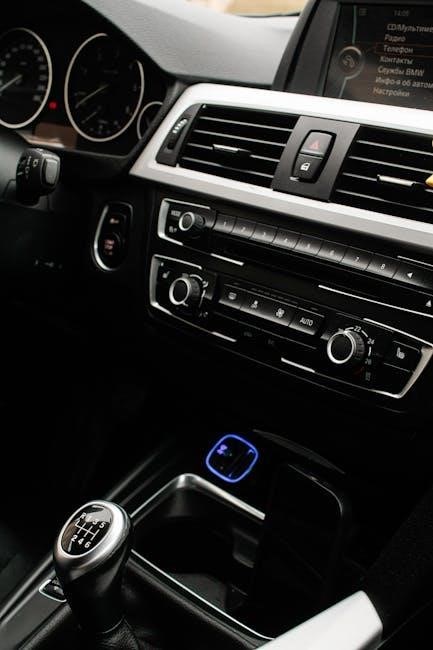
A manual transmission stuck in gear presents a frustrating and potentially dangerous driving situation‚ often stemming from clutch‚ fluid‚ or linkage issues.
Understanding the Problem
A stuck gear in a manual transmission‚ sometimes called “limp mode‚” signifies the transmission’s inability to shift out of a specific gear‚ frequently a lower one. This isn’t merely an inconvenience; it compromises vehicle control and demands immediate attention. The issue often arises from a malfunctioning transmission control module (TCM) or internal transmission faults.
The TCM‚ acting as the transmission’s brain‚ relies on sensor data to dictate gear changes. Disruptions in this communication‚ or a failing TCM itself‚ can cause a gear to lock. Poor driving habits‚ damaged components like gears and synchronizers‚ or insufficient lubrication also contribute to this frustrating problem.
Safety Precautions
If your manual transmission becomes stuck in gear‚ prioritize safety immediately. Avoid abrupt braking; instead‚ gently decelerate using engine braking where possible. Activate your hazard lights to alert surrounding drivers of your compromised vehicle control. If safe‚ pull over to a level‚ stable surface away from traffic.
Do not continue driving for extended periods with a stuck gear‚ as this can exacerbate the problem and create a dangerous situation. Consider calling for roadside assistance to avoid further damage or potential accidents. Always engage the parking brake firmly before attempting any troubleshooting.
Common Causes of a Stuck Gear
Several factors can cause a manual transmission to lock in gear‚ including clutch malfunctions‚ low transmission fluid‚ or issues within the shift linkage system.
Clutch Issues
Clutch problems are a frequent culprit when a manual transmission becomes stubbornly stuck in gear. The clutch’s primary role is to smoothly disconnect the engine from the transmission‚ enabling gear changes. If the clutch isn’t fully disengaging‚ it can create resistance‚ preventing smooth shifting and potentially locking the transmission. This incomplete separation can arise from several sources‚ impacting the overall driving experience.
A failing clutch directly hinders the ability to change gears effectively‚ leading to the transmission remaining locked. Addressing these clutch-related issues is paramount for restoring proper functionality.
Worn Clutch Disc
A worn clutch disc significantly contributes to a manual transmission getting stuck. Over time‚ the friction material on the clutch disc diminishes due to constant use‚ reducing its ability to effectively grip and disengage the engine. This wear leads to slippage and incomplete disengagement‚ making it difficult to shift gears smoothly.
Consequently‚ the transmission may remain locked in a particular gear‚ as the engine continues to exert force even when you attempt to change gears. Replacing a worn clutch disc is often necessary to resolve this issue.
Hydraulic Clutch Problems
Hydraulic clutch systems rely on fluid pressure to operate‚ and issues within this system can prevent complete clutch disengagement‚ leading to a stuck gear. Leaks in the master or slave cylinder‚ or a failing clutch master cylinder‚ reduce the necessary pressure.
Air trapped within the hydraulic lines also compromises performance. This incomplete disengagement makes shifting difficult‚ potentially locking the transmission in gear. Thorough inspection and repair of the hydraulic system are crucial for restoring proper clutch function.
Transmission Fluid Problems
Transmission fluid is vital for smooth operation‚ lubricating gears and facilitating shifting. Low fluid levels can cause increased friction and difficulty engaging or disengaging gears‚ potentially leading to a stuck transmission; Equally problematic is contaminated or old fluid‚ which loses its lubricating properties.
Debris and breakdown of the fluid increase wear and tear‚ hindering the synchronizers’ ability to match gear speeds. Regular fluid checks and timely changes are essential preventative measures against these issues.
Low Transmission Fluid Level
Insufficient transmission fluid directly impacts the hydraulic pressure needed for smooth clutch operation and gear engagement. A low level creates excessive friction between moving parts‚ making it difficult to shift and potentially locking the transmission in a specific gear. This often manifests as a struggle to get into or out of a gear.
Leaks are a common cause‚ so regular checks are crucial. Ignoring this issue can lead to severe internal damage‚ necessitating costly repairs or a complete transmission replacement.
Contaminated or Old Transmission Fluid
Degraded or contaminated transmission fluid loses its lubricating properties and ability to effectively manage heat. This leads to increased friction and wear within the transmission‚ hindering smooth gear changes and potentially causing it to seize in a gear. Metal particles and debris accumulate‚ exacerbating the problem.
Old fluid also loses its viscosity‚ reducing hydraulic pressure. Regular fluid changes are vital to prevent this‚ ensuring optimal transmission performance and longevity‚ avoiding costly repairs.
Shift Linkage Issues
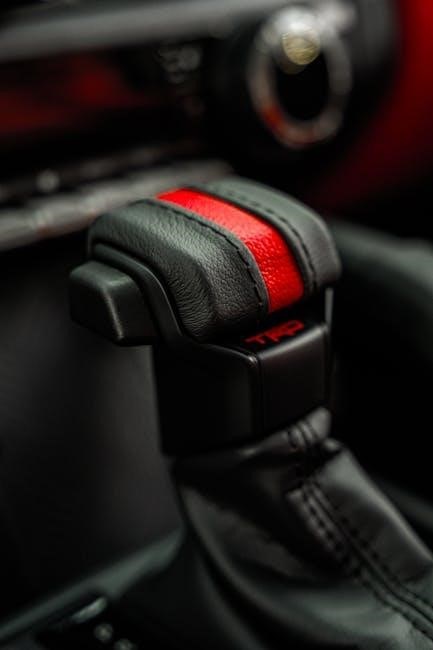
Problems with the shift linkage – the system connecting the gear lever to the transmission – can prevent proper gear engagement. Bent or damaged linkage rods‚ or loose connections‚ can create slack or binding‚ making it difficult or impossible to select the desired gear. This often manifests as a vague or notchy shifting feel.
Inspection of the linkage is crucial‚ checking for wear‚ corrosion‚ and secure attachment. Correct adjustment or replacement of damaged components is often necessary to restore smooth shifting operation.
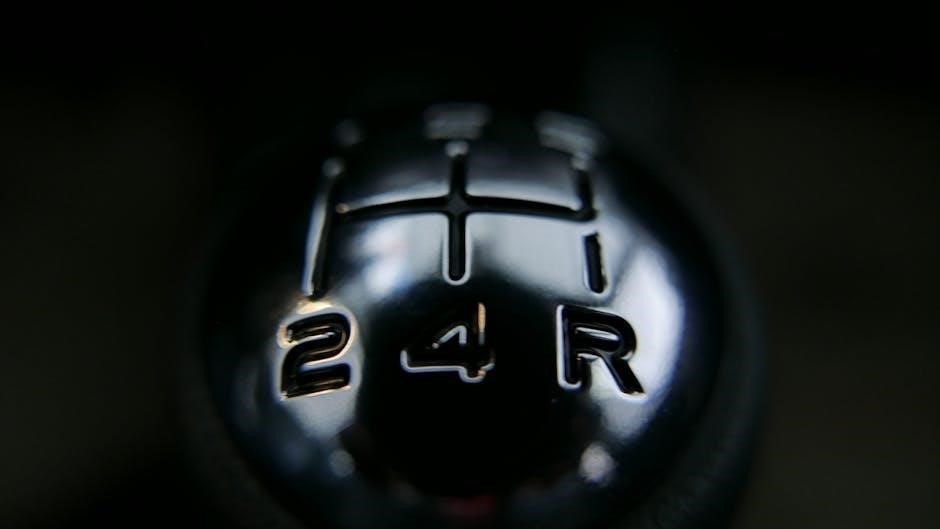
Bent or Damaged Linkage Rods
Bent or damaged shift linkage rods directly impede the transmission’s ability to smoothly change gears. Even slight bends can introduce resistance‚ preventing the selector from fully engaging or disengaging a gear. This often results in difficulty shifting‚ gears popping out‚ or the transmission becoming stuck.
Physical damage‚ like cracks or corrosion‚ weakens the rods‚ exacerbating the problem. Thorough visual inspection and‚ if necessary‚ replacement of any compromised rods are essential for restoring proper shifting functionality.
Loose Linkage Connections
Loose connections within the shift linkage create excessive play‚ hindering precise gear selection. This slack prevents the transmission from fully entering the desired gear‚ leading to a stuck gear or difficulty shifting. These connections‚ including bushings and ball joints‚ can degrade over time due to normal wear and tear.
Regular inspection and tightening‚ or replacement of worn components‚ are crucial. Addressing loose linkage restores the direct connection needed for smooth and reliable gear changes.
Internal Transmission Damage
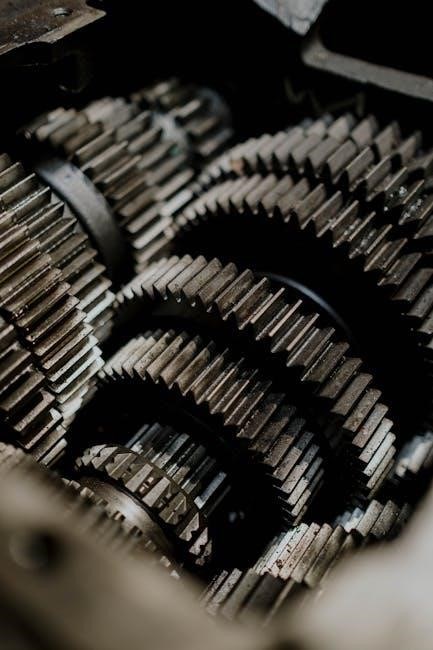
Significant internal damage within the manual transmission often manifests as gears becoming stuck. Worn synchronizers‚ crucial for smooth gear engagement‚ can fail to properly mesh gears‚ causing resistance and ultimately‚ a stuck gear. Damaged gear teeth themselves can bind‚ preventing movement.
These issues typically require a complete transmission rebuild or replacement‚ as internal repairs are complex and demand specialized tools and expertise. Ignoring these symptoms can lead to catastrophic failure.
Worn Synchronizers
Synchronizers are vital components within a manual transmission‚ responsible for matching the speeds of the gears before engagement. Over time‚ these synchronizers experience wear and tear‚ losing their ability to effectively synchronize. This leads to grinding noises and increased difficulty shifting‚ potentially resulting in a gear becoming stuck.
Worn synchronizers create resistance during gear changes‚ making it harder to select a gear and increasing the risk of forcing the shift‚ which exacerbates the problem. Replacement is often necessary.
Damaged Gears
Severely damaged gears represent a significant cause of a manual transmission becoming stuck. Chips‚ cracks‚ or broken teeth on the gears create immense friction and prevent smooth engagement or disengagement. This damage can arise from aggressive shifting‚ lack of lubrication‚ or the presence of foreign objects within the transmission.
A compromised gear’s integrity directly hinders the transmission’s ability to function‚ often locking it into a specific gear. Repair typically necessitates a complete transmission rebuild or replacement.
Troubleshooting Steps
Initial checks and careful attempts to free the gear are crucial first steps when facing a stuck manual transmission‚ prioritizing safety and diagnosis.
Initial Checks
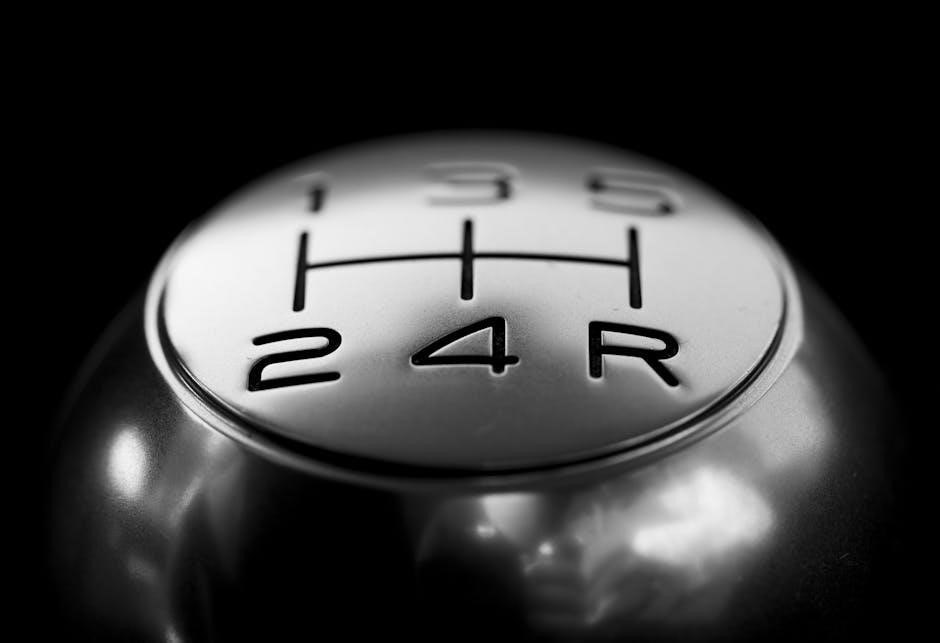
Before diving into complex repairs‚ perform several straightforward initial checks. First‚ verify the transmission fluid level; low fluid is a common culprit. Inspect the fluid’s condition – dark or burnt fluid indicates contamination or age. Next‚ carefully inspect the shift linkage‚ looking for any bent‚ damaged‚ or disconnected rods or connections.
Ensure all connections are secure. A visual inspection can reveal obvious issues preventing smooth gear changes. These preliminary steps can often pinpoint the problem quickly and affordably‚ potentially avoiding extensive repairs. Remember safety first – if unsure‚ consult a professional.
Checking Transmission Fluid Level
Locate the transmission fluid dipstick‚ usually marked and accessible under the hood. With the engine warmed up and idling in neutral‚ carefully remove the dipstick‚ wipe it clean‚ reinsert it fully‚ and then remove it again to check the fluid level. The fluid should fall between the “min” and “max” marks.
Also‚ assess the fluid’s color and smell; it should be reddish or amber and not smell burnt. Low or degraded fluid significantly impacts transmission performance and can cause gears to stick. Top up with the correct fluid type if needed.
Inspecting Shift Linkage
Begin by visually examining the shift linkage‚ tracing the connection from the gear shifter to the transmission. Look for any obvious signs of damage‚ such as bent or broken rods‚ loose connections‚ or worn bushings. Have someone move the shifter while you observe the linkage for binding or excessive play.
Ensure all connections are secure and properly lubricated. A compromised shift linkage prevents the transmission from fully engaging or disengaging gears‚ contributing to a stuck gear issue;
Attempting to Free the Gear
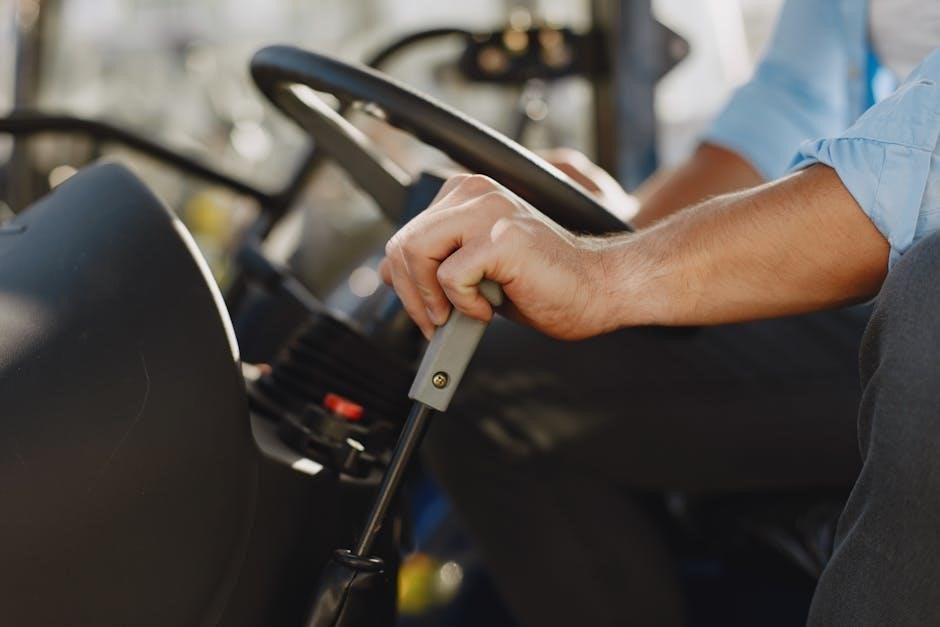
If safely possible‚ try rocking the vehicle gently back and forth while attempting to shift into neutral. This subtle movement can sometimes relieve pressure on the gears‚ allowing them to disengage. Avoid forceful shifting‚ as this could cause further damage.
With the engine running‚ gently try shifting into different gears‚ applying consistent pressure. If unsuccessful‚ turn off the engine and repeat the process; sometimes‚ without engine power‚ the gears will release.
Rocking the Vehicle
Gently rocking the vehicle between Drive and Reverse (or 1st and 2nd gear) can sometimes dislodge a stuck gear. Ensure the parking brake is firmly engaged and the area is clear before attempting this maneuver. Apply minimal throttle and avoid sudden‚ jerky movements‚ as excessive force can worsen the situation.
The goal is to create slight pressure changes within the transmission‚ potentially freeing the gears. Repeat this process a few times‚ carefully monitoring for any improvement. If it doesn’t work‚ stop immediately.
Gentle Shifting Attempts
After attempting to rock the vehicle‚ try gently attempting to shift into neutral‚ then through the gears. Avoid forcing the shifter; apply only light pressure. A stuck gear often resists movement‚ and excessive force could cause further damage to the internal transmission components‚ like synchronizers.
Focus on smooth‚ deliberate movements‚ feeling for any indication of engagement. If resistance persists‚ do not continue forcing the shift lever. Repeated forceful attempts are counterproductive and potentially harmful.
Repair Options & Costs
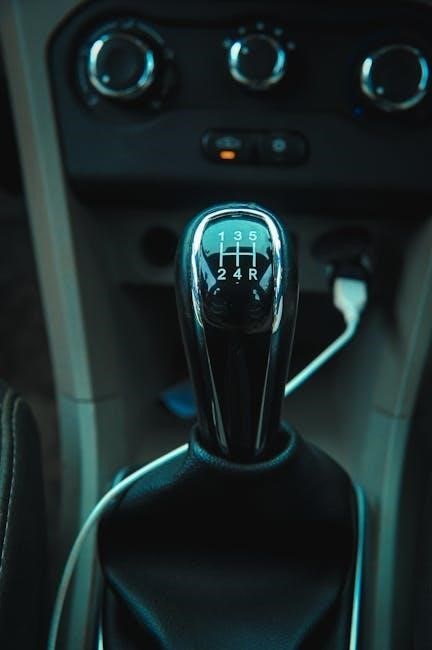
Repairing a stuck manual transmission ranges from limited DIY fixes to professional services‚ including clutch replacement or a complete transmission rebuild‚ impacting overall costs.
DIY Repairs (Limited Scope)
For a stuck manual transmission‚ DIY repairs are generally limited to basic checks and adjustments‚ best suited for mechanically inclined individuals. Inspecting and potentially adjusting the shift linkage is achievable with basic tools‚ ensuring proper connections and freedom of movement. Checking and topping off transmission fluid levels is another simple task. However‚ internal transmission work‚ like synchronizer or gear replacement‚ demands specialized knowledge‚ tools‚ and is best left to professionals. Attempting complex repairs without expertise can worsen the problem and lead to further damage‚ increasing repair costs significantly. Prioritize safety and realistic assessment of your skills.
Professional Repair Services
When a manual transmission is stuck‚ professional diagnosis is crucial. Technicians utilize specialized tools to pinpoint the root cause‚ whether it’s a failing clutch‚ internal transmission damage‚ or linkage issues. Clutch replacement cost typically ranges from $800 to $2‚500‚ depending on the vehicle and parts. A transmission rebuild/replacement cost is significantly higher‚ often between $1‚800 and $3‚500+‚ influenced by the transmission type and extent of damage. Seeking expert assistance ensures accurate repairs‚ preventing further complications and restoring your vehicle’s functionality safely and reliably.
Clutch Replacement Cost
Clutch replacement costs vary widely‚ influenced by vehicle make and model‚ labor rates‚ and the quality of parts used. Expect to pay between $800 and $2‚500 for a complete clutch replacement‚ encompassing the clutch disc‚ pressure plate‚ and throw-out bearing. Premium clutch kits and specialized labor for certain vehicles can increase this price. Addressing a worn clutch is often necessary when a transmission gets stuck‚ as incomplete clutch disengagement can cause shifting difficulties and ultimately‚ gear lock-up.
Transmission Rebuild/Replacement Cost
Transmission rebuild or replacement represents a significant expense‚ ranging from $1‚500 to $4‚000 or more. A rebuild‚ involving disassembly‚ inspection‚ and replacement of worn internal components‚ typically costs $1‚500 ⸺ $3‚000. Complete transmission replacement‚ utilizing a new or remanufactured unit‚ can exceed $3‚000‚ factoring in labor. Internal damage‚ like worn synchronizers or damaged gears‚ necessitating a rebuild or replacement‚ often arises when a transmission remains stuck in gear for an extended period.
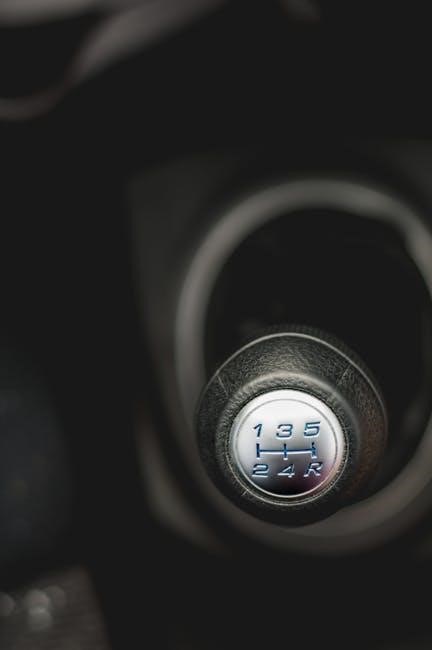
Preventative Maintenance
Regular transmission fluid changes and employing proper shifting techniques are crucial for longevity‚ preventing issues like a manual transmission becoming stuck in gear.
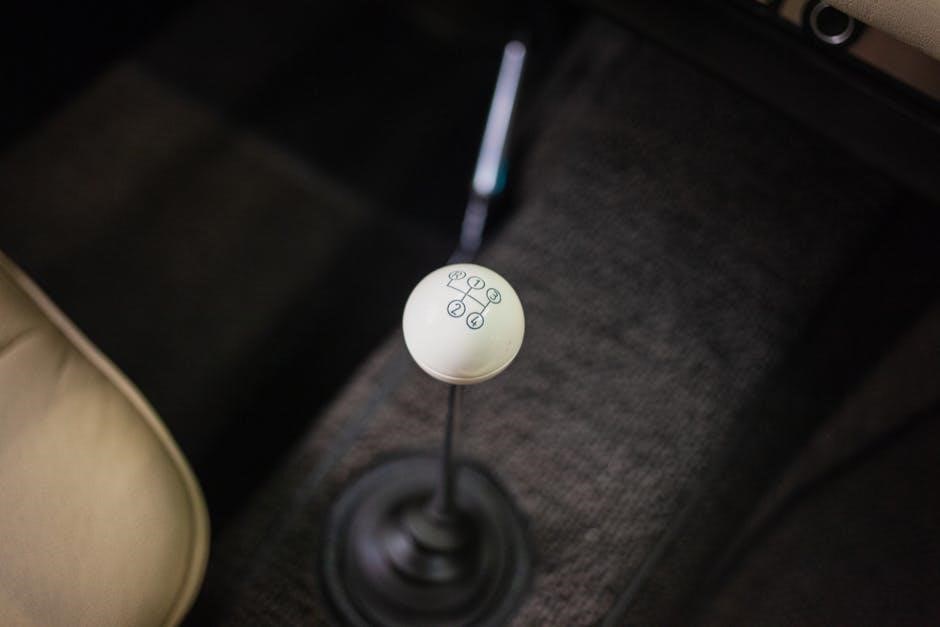
Regular Transmission Fluid Changes
Maintaining optimal transmission fluid levels and condition is paramount for smooth operation and preventing a stuck gear scenario. Fluid degrades over time‚ losing its lubricating properties and accumulating contaminants. This impacts synchronizer function and increases friction within the gearbox.
Following the manufacturer’s recommended service intervals for fluid changes – typically every 30‚000 to 60‚000 miles – is essential. Using the correct fluid type is equally important‚ as incorrect fluids can cause compatibility issues and damage internal components. Regular checks should also be performed to identify any leaks or signs of contamination‚ ensuring the transmission remains properly lubricated and functioning reliably.
Proper Shifting Techniques
Employing correct shifting techniques significantly reduces stress on the transmission and minimizes the risk of getting stuck in gear. Avoid rushing shifts or forcing the lever into position; smooth‚ deliberate movements are key. Fully depress the clutch pedal before each shift‚ ensuring complete disengagement of the engine from the transmission.
Double-clutching‚ while less common in modern vehicles‚ can further smooth shifts. Avoid “speed shifting” or aggressive gear changes‚ as these habits accelerate wear and tear on synchronizers and other internal components‚ potentially leading to a stuck gear situation over time.